
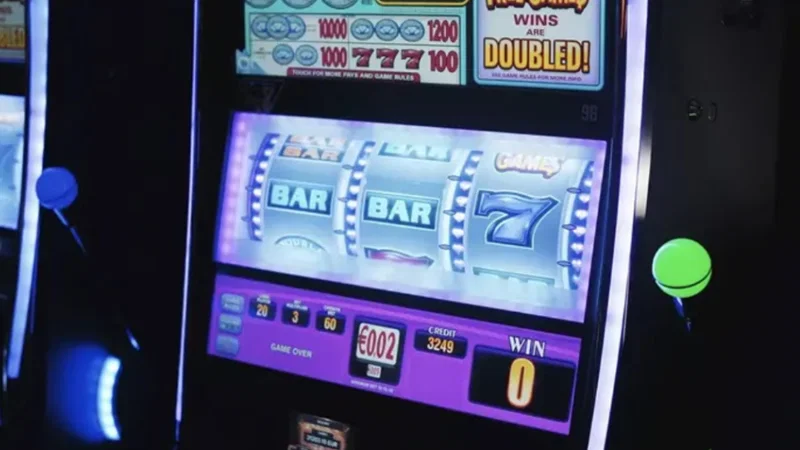
The modern gaming industry features a wide spectrum of entertainment options, yet few categories command as much sustained attention and engagement as progressive jackpot slots. From the vibrant floors of physical casino resorts to expansive digital gaming platforms, these dynamic titles have redefined player expectations surrounding top-tier payouts. Unlike fixed-jackpot machines, which offer static, predetermined maximum prizes, progressive slots feature prize pools that climb continuously with every wager placed across an interconnected network. This core mechanism creates an atmosphere of high anticipation, driving significant market expansion and consumer interest worldwide.
The Core Mechanics Behind Progressive Jackpot Growth
To understand the widespread appeal of progressive jackpot machines, one must examine how the underlying prize accumulation engine operates. Rather than relying entirely on a static payout table, a dedicated percentage of every qualified wager is diverted away from the standard base game return and routed into an escalating grand prize pool.
The mathematical structure of a progressive jackpot relies on several key components:
-
The Base Seed Amount: When a jackpot is won, the prize meter does not reset to zero. Instead, it resets to a predetermined minimum baseline funded by the casino operator or the software developer. This initial seed ensures that the game remains immediately attractive for subsequent players.
-
The Contribution Rate: Every spin deducts a small fractional percentage of the total bet, typically ranging from one to ten percent depending on the game structure. This fraction is divided between feeding the active prize meter and funding the reserve pool for the next reset cycle.
-
The Break-Even Threshold: As the jackpot grows beyond its statistical average payout point, the game mathematically shifts in value. While the statistical odds of hitting the winning combination on an individual spin remain completely unchanged, the expected value relative to the prize pool expands dramatically.
Structural Classifications of Progressive Slot Networks
Progressive slots are not uniform in design. They are organized into three primary operational tiers, each offering different growth rates, pool sizes, and hit frequencies.
Standalone Progressive Machines
Standalone machines operate in complete isolation. The progressive jackpot is tied to a single physical cabinet or an individual game instance on a single digital server. Because only wagers placed directly on that specific machine contribute to the accumulation pool, the jackpot climbs at a modest pace and awards smaller top prizes. However, standalone machines often feature higher hit frequencies and lower volatility in their base games compared to linked setups.
Local and In-House Linked Networks
Local progressives connect multiple gaming terminals within a single physical casino property or a single operator digital platform. A bank of twelve connected machines on a gaming floor, or a collection of themed digital titles sharing a common server within one online casino, pool their fractional wagers together. This collective volume drives the prize pool into five- and six-figure amounts, creating a localized event whenever the grand meter drops.
Wide-Area Progressive (WAP) Networks
Wide-area networks represent the pinnacle of the progressive jackpot ecosystem. These expansive setups interconnect thousands of electronic gaming machines across hundreds of different physical casino properties, or pool bets across hundreds of independent online casino platforms internationally. Global software providers manage and audit the central jackpot fund. Because hundreds of thousands of spins contribute to the shared meter simultaneously, WAP jackpots regularly climb into multi-million-dollar sums, rivaling the payouts of major national lotteries.
Psychological Catalysts Driving Player Adoption
The surge in progressive jackpot popularity is closely tied to behavioral economics and cognitive psychology. The design of these games leverages specific motivational triggers that keep engagement levels consistently elevated.
-
The Transformational Dream Effect: Human decision-making is heavily influenced by the magnitude of a potential reward. The prospect of turning a modest micro-stake into an eight-figure windfall creates a powerful aspirational narrative that standard fixed-line slots cannot replicate.
-
Real-Time Visual Feedback: Progressive meters are prominently displayed on high-definition overhead signage and flashing on-screen displays. Watching the digital counters tick upward continuously in real time provides an ongoing visual cue that the prize is active, growing, and overdue for a trigger.
-
Tiered Multi-Jackpot Architecture: Modern titles rarely offer only a single massive jackpot. Instead, they implement multi-tier structures, typically labeled Mini, Minor, Major, and Grand. While the Grand jackpot represents the rare mega prize, the Mini and Minor tiers drop multiple times per hour, delivering frequent variable reinforcement that sustains player momentum.
Technological Advancements Transforming the Sector
Technological progress has expanded the reach and visual presentation of progressive jackpot games, transforming them from simple mechanical reels into cinematic interactive experiences.
Cloud Server Architecture and Instant Scalability: In the online space, cloud-based game servers allow international developers to aggregate wagers across millions of concurrent mobile and desktop devices without latency or computational delays. Real-time balance updates occur seamlessly across thousands of active sessions simultaneously.
Cross-Platform Omnichannel Integration: Operators now deploy cross-platform jackpot networks that connect land-based physical cabinets directly with mobile and desktop iGaming applications. A player can spin a branded progressive title on a resort floor and continue contributing to the exact same prize network from their smartphone after returning home.
Must-Drop and Timed Jackpot Innovations: A major innovation in recent years is the introduction of guaranteed must-hit-by and daily-drop jackpots. These secondary progressive meters feature hard mathematical deadlines, such as dropping before reaching a specific cash threshold or before midnight each day. As the meter nears its mandatory limit, player participation surges dramatically due to the certainty that a payout must occur within an immediate timeframe.
Volatility and Bankroll Considerations
While the allure of massive prize meters is undeniable, progressive jackpot slots feature distinct mathematical profiles that require disciplined bankroll management. Because a portion of every wager funds the overarching prize pools, the standard base game return-to-player (RTP) percentage is naturally lower than that of non-progressive titles.
Players encounter higher volatility, longer dry spells between standard line wins, and specific qualification rules, such as mandatory maximum-bet thresholds to unlock Grand jackpot eligibility. Understanding these operational realities ensures that participants approach progressive titles with a clear comprehension of risk, variance, and game design.
Frequently Asked Questions
Does betting the maximum amount increase the mathematical odds of winning a progressive jackpot?
On many classic wide-area progressive machines, betting the maximum coin threshold is a mandatory prerequisite to unlock access to the top progressive prize tier. On modern multi-line video slots with proportional equity algorithms, betting higher amounts increases the statistical slice of the jackpot trigger, but the random number generator maintains independent odds for each individual wager.
What happens to a progressive jackpot meter if an online casino shuts down?
On wide-area networks managed by major third-party software developers, the accumulated jackpot funds belong to the network pool rather than the individual casino. If a single platform closes, the accumulated prize remains intact and accessible through other operators hosting the same shared network title.
Are progressive jackpot winnings distributed as a lump sum or through an annuity?
Payout structures depend on the jurisdiction, game rules, and operating developer. Many digital network progressives pay out seven- and eight-figure jackpots in a single immediate lump-sum cash transfer, whereas certain physical land-based wide-area networks offer the option between an initial cash payout and annual annuity distributions structured over twenty to thirty years.
Can a progressive jackpot be triggered on two different machines at the exact same millisecond?
Centralized jackpot servers process spin results sequentially through ultra-low latency timestamps. The server records the first valid winning signal down to the millisecond, awards the active prize to that specific terminal, and instantly broadcasts a reset command to all other linked machines on the network before processing subsequent bets.
What is a seed amount in progressive slot design?
A seed amount is the guaranteed base prize funded by the casino or game developer that populates the jackpot meter immediately after a win occurs. This ensures that the meter never starts at zero dollars and remains appealing for the next round of play.
How do must-drop progressive jackpots differ from standard uncapped progressives?
Standard uncapped progressives have no upper ceiling and can grow indefinitely until a player hits the rare winning combination. Must-drop jackpots have a hard-coded maximum value or time limit, and the underlying algorithm progressively increases the probability of triggering the prize as the meter approaches that specified threshold.
Do progressive slot machines pay out lower base game rewards compared to regular slot machines?
Yes. Because a fixed percentage of each wager is redirected toward funding the accumulating progressive prize tiers, the return-to-player percentage allocated to standard reel spins, minor line hits, and basic paytable combinations is generally lower than on non-progressive games.