
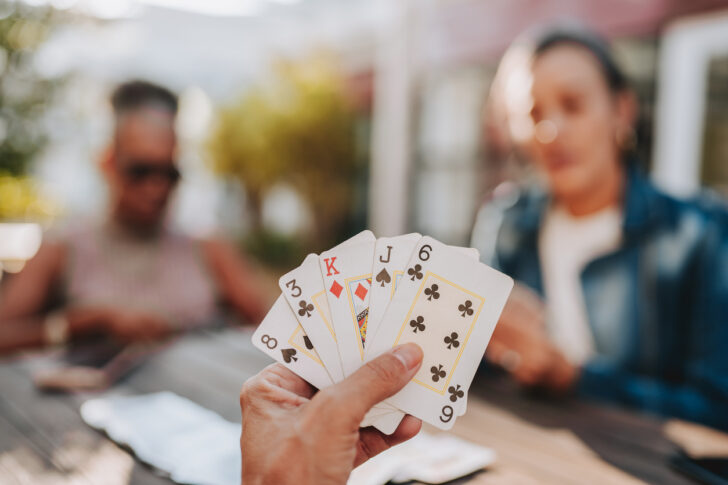
Hosting a card game night is one of the most engaging, cost-effective, and memorable ways to bring friends and family together. While the premise seems simple, executing an evening that runs smoothly requires more than just pulling an old deck of cards out of a drawer and setting out a bag of chips. A truly successful game night strikes a deliberate balance between friendly competition, relaxed hospitality, comfortable logistics, and clear communication.
Whether your group enjoys the strategic tension of Texas Holdem, the fast-paced coordination of trick-taking games like Spades and Euchre, or the lighthearted chaos of modern party card games, thoughtful preparation sets the foundation. By organizing the playing environment, curating the right game roster, preparing convenient refreshments, and establishing house rules early, you can create a seamless gathering that guests will want to repeat regularly.
Curate the Game Selection to Match Your Guest List
The fastest way to derail a game night is choosing a game that clashes with the energy, experience level, or size of your group. Before deciding on what to play, evaluate the social dynamic and attention spans of the people attending.
Consider these factors when planning your game lineup:
-
Group size dynamics: Traditional trick-taking games like Hearts, Bridge, or Spades work best with exact counts of four players. If your gathering includes six to ten people, pivot to multi-player poker tournaments, social deduction card games, or team-based games where people can partner up without sitting out.
-
Complexity and onboarding time: If you invite casual gamers or friends who have never played the featured title, avoid games with dense rulebooks that take forty-five minutes to explain. Start with titles that can be taught in five minutes or less to build momentum early.
-
Have a structured progression: Plan a two-phase schedule. Kick off the evening with a light, high-energy warm-up game while people arrive and settle in. Once everyone is present and focused, transition into your main event game for the core part of the evening.
-
Keep backup options ready: If the main game finishes early or the group mood leans toward something faster or sillier, have two or three alternate decks ready so you do not lose the room momentum while searching through closets.
Matching the game format to the specific mix of personalities guarantees everyone stays involved and entertained.
Optimize the Physical Space and Gaming Setup
Comfort is critical for games that require people to sit in one place for several hours. Cramped seating, poor lighting, or a slippery table surface can quietly ruin an otherwise fun evening.
Set up your gaming area using these practical guidelines:
-
Table space and surface texture: A large dining table or sturdy folding table is essential. Bare wood or slick laminate tables make it difficult to pick up thin cards and cause chips or tokens to slide around. Cover the table with a fitted felt topper, a speed cloth mat, or even a tight microfiber tablecloth to make dealing, sliding, and picking up cards effortless.
-
Comfortable, supportive seating: Avoid flimsy folding chairs with zero padding whenever possible. If you must use hard chairs, provide seat cushions or throw pillows. Ensure every player has enough elbow room to hold their cards comfortably without bumping their neighbors.
-
Direct, glare-free lighting: Proper illumination prevents eye strain and ensures all players can read card indices, suits, and board states across the table. Use overhead lighting that illuminates the entire table evenly, avoiding harsh spotlights that bounce blinding reflections off glossy, coated cards.
-
Dedicated side tables for drinks: Spilled beverages can instantly destroy custom card decks, score sheets, and poker chip sets. Place small side tables, TV trays, or drink carts near the chairs so players never have open glasses resting directly on the primary gaming surface.
A well-arranged playing area eliminates physical distractions and lets players concentrate fully on the action.
Invest in Quality Gaming Supplies
The physical tools you provide dramatically shape the tactile enjoyment of the night. Upgrading basic supplies costs very little but elevates the entire experience.
Key equipment upgrades to consider include:
-
One hundred percent plastic playing cards: Paper-coated cardboard cards bend easily, absorb moisture, fray at the corners, and become sticky after a single session. Upgrading to professional all-plastic cards (such as Copag or Kem) provides a superior tactile feel, allows smooth shuffling, resists liquid spills, and lasts for hundreds of games.
-
Multiple matching decks: Always have at least two decks with contrasting back colors (such as one red deck and one blue deck) at the table. While one player deals the active hand, the next dealer can shuffle the second deck, cutting downtime between rounds to near zero.
-
Weighted composite chips and timers: If playing poker or games with bidding economies, use heavy composite or clay-composite chips rather than flimsy lightweight plastic disks. Use a visible digital timer or tablet app to track blind levels or round limits smoothly.
-
Fresh score pads and pens: Keep mechanical pencils, dry-erase scoreboards, or printed scoring sheets within reach so that tracking points does not require hunting for stationary mid-game.
High-grade supplies signal to your guests that you value their time and take pride in hosting.
Plan Finger-Friendly, Non-Messy Food and Drinks
Food and drinks keep the energy high, but poor culinary choices can create greasy fingerprints on cards and slow down the pace of play. The goal is to serve food that can be eaten cleanly with minimal interruption to gameplay.
Smart refreshment strategies include:
-
Bite-sized, fork-free snacks: Avoid greasy potato chips, buttery popcorn, powdery cheese snacks, or sticky chicken wings. Instead, serve pretzels, dry-roasted nuts, grapes, sliced cheese cubes, cured meats, pita chips with thick hummus, or mini sandwiches that leave hands clean and dry.
-
Provide napkins and hand wipes: Place multiple bowls of snacks around the table so guests do not have to lean across the game to reach food. Keep abundant paper napkins, moist towelettes, or a small bottle of hand sanitizer nearby.
-
Accessible drink stations: Set up a self-serve beverage station away from the table stocked with ice, sodas, sparkling water, beer, and wine. Self-serve stations prevent the host from constantly stepping away from the game to play bartender.
-
Time a formal meal break: If you want to serve a full meal like pizza, burgers, or tacos, schedule it as an intentional intermission before the main game begins rather than attempting to eat large meals while playing.
Thoughtful food planning protects your gaming equipment while keeping your guests full and energized.
Establish House Rules and Foster Good Sportsmanship
Even the friendliest social games can generate friction if rules are ambiguous or competitive instincts get out of hand. As the host, it is your responsibility to set clear expectations and maintain a fun, welcoming atmosphere.
Techniques for managing gameplay and group harmony include:
-
Clarify house rules before the first deal: Variations exist for almost every traditional card game. Before the first card is dealt, clearly define controversial rules, such as whether table talk is permitted, how tiebreakers work, or what constitutes a misdeal.
-
Designate a rules arbiter: Nominate one experienced player or keep the official rulebook readily accessible on a tablet to settle disputes quickly. When a disagreement occurs, make a swift ruling and keep the game moving rather than debating for twenty minutes.
-
Keep stakes friendly and low: If playing for real money, keep buy-ins low enough that no one feels genuine financial stress over losing. The focus should remain on social entertainment rather than high-stakes pressure.
-
Manage competitive balance: Pair less experienced players with patient mentors in team games, and gently curb excessive gloating or aggressive critiques of beginner mistakes.
Setting a clear, fair framework ensures that the competitive spirit remains positive from the first hand to the final showdown.
Frequently Asked Questions
How long should an ideal home card game night last?
A well-paced home game night typically runs between three and four hours. This provides enough time for guests to socialize, play a warm-up game, complete a full multi-round tournament or main event, and wrap up without feeling exhausted. Ending the night while people are still having fun leaves them eager for the next gathering.
What is the best way to introduce a brand new card game to beginners?
Start by giving a brief one-minute summary of the overarching goal (such as how to win or score points) before getting into turn mechanics. Rather than reading the entire rulebook aloud, play a practice round with open hands where everyone can see each other cards and ask questions without any competitive penalties.
How should a host handle a guest who gets overly competitive or upset during a game?
Address tension early with humor and perspective, reminding the room that the primary goal is having fun together. If a player remains disruptive, take a natural five-minute break for drink refills or snack replenishment to reset the mood, or suggest switching to a cooperative or casual party game that lowers competitive tension.
Can you host a successful card game night without playing for real money?
Absolutely. Many engaging card games, including Spades, Hearts, Bridge, Rummy, and modern deck-builders, rely entirely on points systems. If you are playing poker, you can run a tournament format using chips for prestige, bragging rights, or small silly prizes like a traveling trophy, funny thrift-store item, or baked goods instead of cash.
How many people should I invite if I want a flexible game night?
Inviting five to eight people offers the highest flexibility. A group of five to eight allows you to run single-table poker, split into two separate four-player games of Spades or Euchre, or unite everyone for high-capacity party card games, ensuring no one is left waiting on the sidelines.
What music or background ambience works best for a game night?
Keep background music at a low, consistent volume so it never forces players to raise their voices across the table. Instrumental playlists, lo-fi beats, classic jazz, or ambient acoustic tracks work best because songs with prominent vocals can distract players during strategic calculations and rule explanations.